
Table of Contents
ToggleI remember waking up feeling rushed and overwhelmed, my mind already racing through the day’s demands before my feet even touched the floor. That constant pressure made me believe I had no time for myself.
Then I discovered something transformative – a simple practice that changed everything. This gentle routine became my sanctuary, a peaceful beginning that set a positive tone for my entire day.
Many people want to experience yoga’s benefits but struggle with common barriers. Lack of time, flexibility concerns, or studio access often hold them back. I’ve designed this approach specifically to overcome these challenges.
You can practice right at home in your comfort zone, wearing whatever feels good. No special equipment needed – just you and your mat. This session meets you where you are, whether you’re new to yoga or maintaining an existing practice.
In the following sections, I’ll guide you through creating a peaceful environment, setting intentions, and building a consistent ritual that supports both mental and physical well-being.
Why a Morning Yoga Practice Transforms Your Entire Day
There’s something magical about greeting the day with intentional movement before distractions begin. This early ritual creates a foundation of calm that supports you through whatever comes later.
Starting with gentle poses and conscious breathing sets a positive tone that ripples through your hours. The stillness of dawn offers perfect conditions for connecting with your inner self.
The Mental Clarity Benefits
Morning practice clears mental fog and sharpens focus for the day ahead. I notice significantly better concentration after just a few days of consistent movement.
Stress levels decrease when you begin with calm intention. The quiet time allows space for setting positive goals before external pressures arise.
Breathing exercises specifically calm the nervous system. This prepares your mind to handle challenges with greater resilience throughout your waking hours.
Physical Wellness Advantages
Gentle stretching upon waking improves flexibility and circulation. Your body feels more open and ready for daily activities after these movements.
Regular practice builds strength in your core, arms, and legs. This supports better posture and reduces injury risk during other physical tasks.
Energy levels naturally increase when you activate your body mindfully. The sequence awakens muscles without causing exhaustion or strain.
| Benefit | Morning Practice | Evening Practice |
|---|---|---|
| Mental clarity | Sets tone for entire day | Releases daily stress |
| Energy levels | Natural boost without caffeine | Can interfere with sleep |
| Consistency | Easier to maintain routine | Often skipped due to fatigue |
| Spine health | Gentle awakening of vertebrae | Counteracts daily compression |
Establishing a Consistent Routine
The ideal window for practice falls between 5:30 and 7:30 AM. This period offers natural calmness that enhances your connection to movement.
Preparing your mat and clothing the night before removes morning decisions. This simple step makes consistency much easier to maintain.
Tracking your progress in a journal builds motivation over time. Note how each session affects your mood and physical comfort throughout the day.
Practicing on an empty stomach allows for deeper bends and twists. Drinking warm water beforehand hydrates your system and helps flush toxins.
This ritual becomes second nature when maintained for several weeks. The benefits compound, making you naturally eager to continue your daily practice.
Preparing for Your 20-Minute Morning Session
Proper preparation transforms your experience from rushed obligation to sacred ritual. I’ve discovered that thoughtful setup makes consistency effortless and enjoyable.
Creating the right conditions helps you focus inward rather than on external distractions. This approach turns your space into a personal sanctuary for daily renewal.
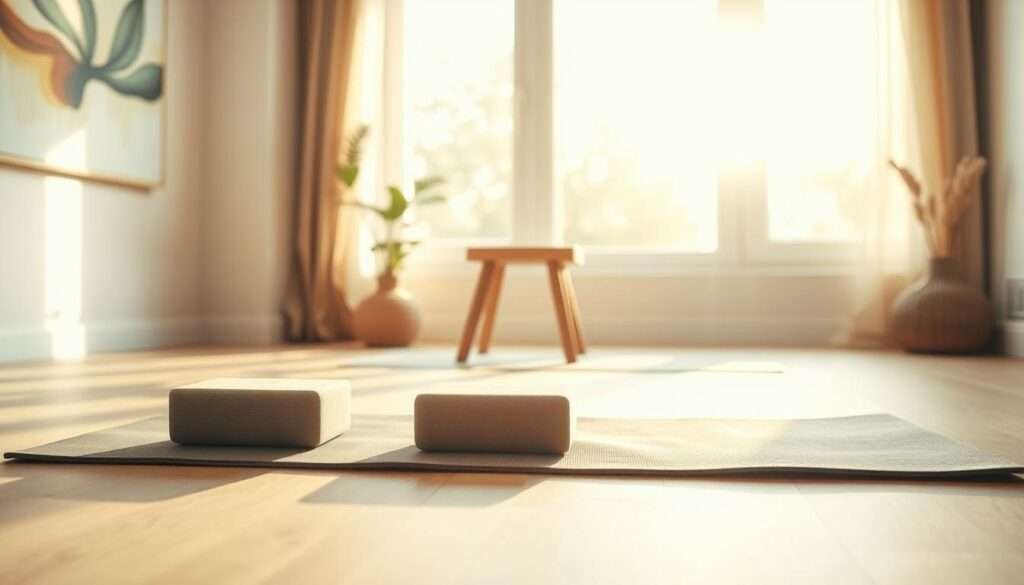
Ideal Time and Environment Setup
Early hours offer natural quietness that enhances concentration. I find 6-7 AM perfect for undisturbed practice before daily demands begin.
Choose a corner with minimal foot traffic and noise. Natural light from east-facing windows creates beautiful morning ambiance.
Keep your space clutter-free to promote mental clarity. A simple setup with just your mat and water bottle works perfectly.
| Element | Ideal Setup | Benefits |
|---|---|---|
| Lighting | Soft natural light | Reduces eye strain, boosts mood |
| Temperature | 68-72°F (20-22°C) | Comfortable for movement |
| Floor Surface | Even, non-slip surface | Prevents injuries, improves balance |
| Distraction Control | Phone on silent mode | Enhances mental focus |
What to Wear and Have Ready
Choose clothing that moves with your body without restriction. Breathable fabrics like cotton or moisture-wicking materials work best.
Fitted tops stay in place during forward bends and inversions. Flexible waistbands accommodate deep stretches comfortably.
Gather these items the night before to simplify your routine:
- Non-slip yoga mat for stability
- Water bottle for hydration
- Optional blocks or strap for support
- Small towel for comfort
Drink lukewarm water upon waking to hydrate your system. Avoid heavy meals before practice to prevent discomfort.
Breathing Fundamentals for Beginners
Conscious breathing forms the foundation of your entire practice. It oxygenates your body and calms your nervous system simultaneously.
Begin by placing hands on your belly to feel its natural rise and fall. This connects you to diaphragmatic breathing patterns.
Inhale deeply through your nose for four counts. Exhale slowly through your mouth for six counts.
Close eyes to enhance internal awareness during breathing exercises. This simple act dramatically improves focus and presence.
Coordinate breath with movement once you establish rhythm. Inhale during expansions, exhale during contractions or folds.
Make sure your breathing remains smooth and effortless throughout. Strain indicates need for adjustment in pace or depth.
Essential Morning Yoga Poses Explained
Mastering foundational poses builds confidence in your practice. I find these movements create a balanced sequence that awakens every part of your body.
Each pose serves specific purposes for flexibility and strength. They work together to create harmony between your physical and mental states.
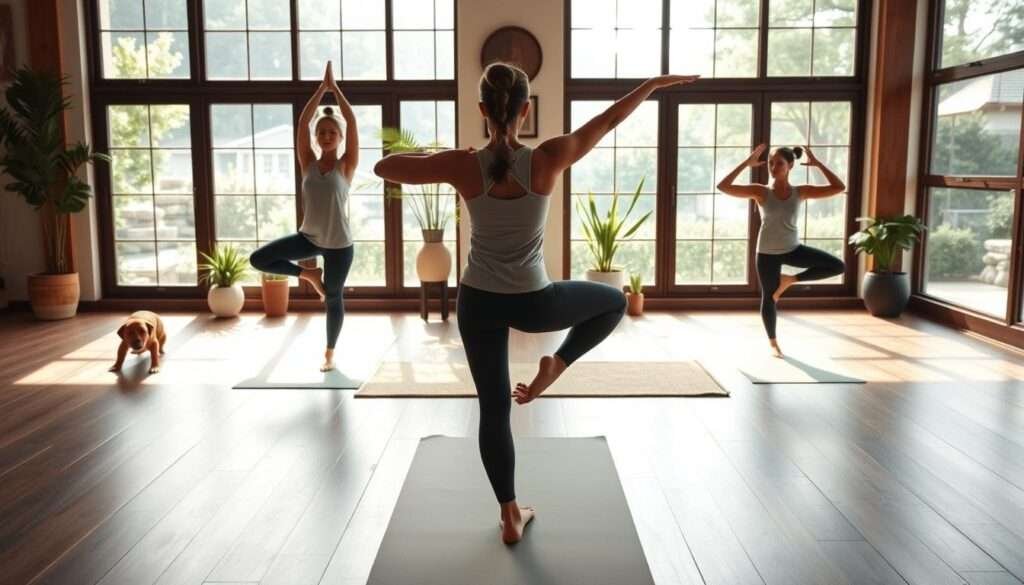
Cat-Cow Pose (Marjariasana & Bitilasana)
This gentle flow warms up your spine beautifully. It connects breath with movement in a simple yet powerful way.
Begin on all fours with wrists under shoulders. Knees should align directly under your hips.
Inhale deeply while dropping your belly toward the mat. Lift your chest and gaze upward for Cow Pose.
Exhale completely while rounding your spine toward the ceiling. Tuck your chin toward your chest for Cat Pose.
Continue flowing between these positions for several breaths. This movement increases spinal flexibility and reduces stiffness.
| Modification | Benefit | Beginner Tip |
|---|---|---|
| Slower pace | Deeper connection to breath | Focus on smooth transitions |
| Knees wider | More space for belly | Use blanket under knees |
| Smaller movement | Gentler on back | Listen to body’s signals |
Downward Facing Dog (Adho Mukha Svanasana)
This classic pose stretches your entire body effectively. It builds strength while creating length in your spine.
Start on hands and knees with palms flat. Spread fingers wide for better support.
Tuck toes and lift hips toward the ceiling. Straighten your legs without locking the knees.
Press firmly through your palms and rotate arms outward. Allow your head to hang freely between your arms.
Hold for several deep breaths while lengthening your spine. This pose energizes your body and calms your mind.
Forward Fold and Half Sun Salutations
These movements improve circulation throughout your body. They create heat and prepare you for deeper stretches.
Stand tall with feet hip-width apart. Inhale while raising arms overhead.
Exhale as you fold forward from your hips. Keep a slight bend in your knees if needed.
Place hands on floor or grab opposite elbows. Relax your neck and shoulders completely.
Flow through half sun salutations by rising slowly. Inhale to lift your chest, exhale to fold again.
Low Lunge Variations and Twists
These poses open your hips and increase flexibility. They also improve balance and core stability.
Step your right foot forward between your hands. Lower your left knee to the mat behind you.
Ensure your right knee stays above your ankle. Lift your chest and relax your shoulders.
For a twist, place your left hand on the floor. Raise your right arm toward the ceiling.
Gaze upward at your right hand if comfortable. This variation adds spinal rotation to your practice.
Seated Forward Fold and Spinal Twist
These seated poses stretch your hamstrings gently. They also release tension in your lower back.
Sit with legs extended straight forward. Inhale to lengthen your spine upward.
Exhale as you fold forward from your hips. Keep your back straight rather than rounded.
For spinal twist, bend your right knee. Cross it over your left leg on the floor.
Twist your torso toward your right side. Use your left arm to gently deepen the stretch.
Bridge Pose for Spine Flexibility
This pose strengthens your back and glutes effectively. It also opens your chest and shoulders beautifully.
Lie on your back with knees bent. Place feet hip-width apart near your hips.
Press through your feet to lift your hips. Interlace fingers beneath your raised body.
Keep your neck relaxed and breathe deeply. Engage your glutes to support your lifted position.
Hold for several breaths before lowering slowly. This movement increases spinal flexibility safely.
| Pose | Primary Benefit | Common Mistake |
|---|---|---|
| Cat-Cow | Spinal mobility | Rushing the movement |
| Downward Dog | Full-body stretch | Locking elbows |
| Forward Fold | Hamstring release | Rounding spine too much |
| Low Lunge | Hip opening | Knee past ankle |
| Seated Fold | Back tension release | Pulling on feet |
| Bridge Pose | Spine flexibility | Neck tension |
Integrate these poses into a flowing sequence. Move gently from one position to the next.
Remember to breathe deeply throughout your practice. Allow each movement to feel natural and effortless.
Your body will thank you for this mindful awakening. These poses create a foundation for daily vitality.
The Complete 20 Minute Morning Yoga Workout to Start Your Day Fresh
Putting all the pieces together creates a powerful daily ritual. I find this flow awakens my body and centers my mind perfectly.
Each movement builds upon the last in a natural progression. The sequence feels like a gentle conversation with your own being.
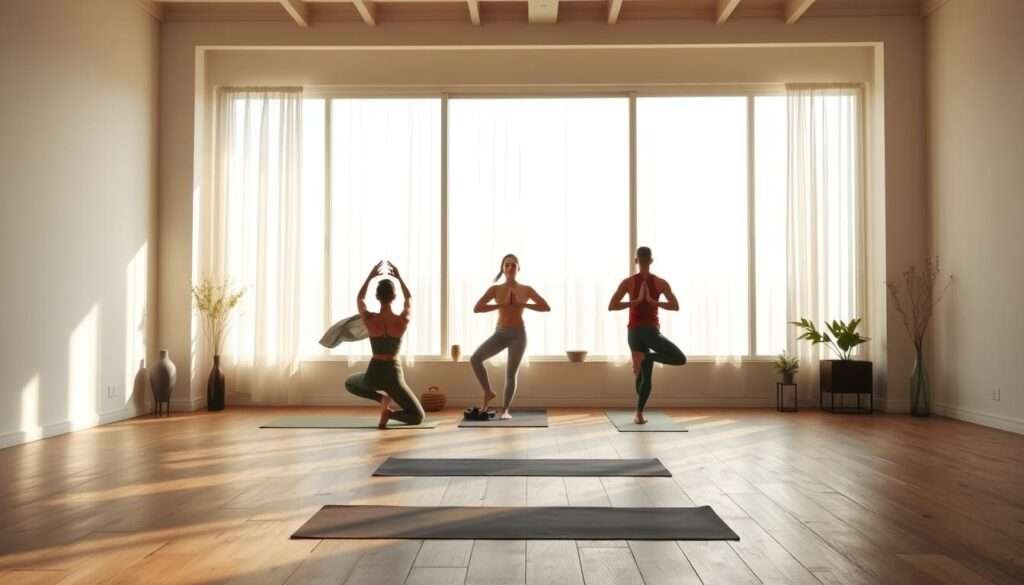
Minute-by-Minute Sequence Flow
Follow this timed structure for optimal results. The rhythm creates balance between effort and ease.
Minutes 0-5: Centering and Warm-up
- Sit comfortably with straight spine
- Close eyes and focus on natural breath
- Gentle neck rolls and shoulder circles
- Seated side stretches for initial awakening
Minutes 5-15: Flowing Movement Sequence
- Cat-Cow flow (1 minute) – spinal warm-up
- Downward Facing Dog (1 minute) – full stretch
- Forward Fold (1 minute) – hamstring release
- Half Sun Salutations (2 minutes) – energy building
- Plank pose (30 seconds) – core engagement
- Baby Cobra (30 seconds) – gentle backbend
- Low Lunge (1 minute each side) – hip opening
Minutes 15-20: Cooling Integration
- Seated Forward Fold (1 minute) – calm stretch
- Bridge Pose (1 minute) – spine flexibility
- Spinal Twist (1 minute) – final release
- Short meditation – mental clarity
Transition Tips Between Poses
Smooth transitions maintain your flow state. They prevent jarring movements that disrupt concentration.
Move with intention rather than rushing. Allow each pose to naturally lead into the next.
Keep your breathing steady during changes. This creates seamless connection between positions.
| Transition | Technique | Benefit |
|---|---|---|
| Floor to Standing | Rise slowly using leg strength | Prevents dizziness |
| Forward to Backbend | Engage core during change | Protects lower back |
| Side to Side | Move through center first | Maintains balance |
| Fast to Slow | Gradual pace reduction | Smooth energy shift |
Bend knees generously when moving between poses. This protects your joints and allows fluid motion.
Make sure your transitions feel natural and effortless. Forced movements often lead to strain or imbalance.
Breathing Pattern Coordination
Breath connects movement to mindfulness. I coordinate each action with specific breathing patterns.
Inhale during expansions and lifts. Exhale during contractions and folds.
This natural rhythm oxygenates your body. It also calms your nervous system throughout the session.
For example, inhale while raising arms overhead. Exhale while folding forward from your hips.
Keep breaths smooth and consistent. Avoid holding your breath during challenging poses.
Close eyes occasionally to enhance breath awareness. This deepens your internal focus significantly.
Your practice becomes meditation in motion. The union of breath and movement creates true yoga.
Adjust the sequence based on your needs. Some days might require gentler movement.
Listen to your body’s signals throughout. Honor its wisdom about pace and intensity.
Consistent practice brings progressive benefits. Your body and mind will thank you daily.
Recommended Yoga Products for Your Practice
Finding the right gear transformed my practice from frustrating to flowing. The proper equipment supports your body and enhances every movement.
Quality products make your session more enjoyable and effective. They provide the foundation for safe and comfortable practice.
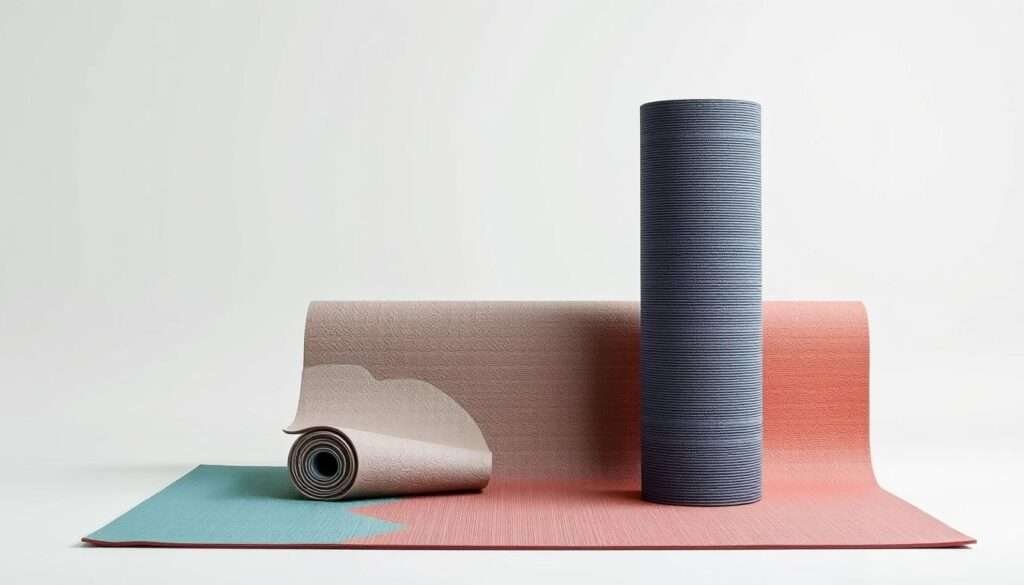
Essential Yoga Mats Comparison Table
Your mat forms the heart of your practice space. It needs good grip and cushioning for various poses.
I’ve tested numerous mats over the years. Here’s how top brands compare for different needs:
| Brand | Thickness | Material | Grip Level | Price Range |
|---|---|---|---|---|
| Manduka PRO | 6mm | PVC-free | Excellent | $100-$120 |
| Lululemon Reversible | 5mm | Polyurethane | Superior | $78-$88 |
| Gaiam Premium | 6mm | TPE | Good | $25-$35 |
| Jade Harmony | 5mm | Natural rubber | Excellent | $70-$80 |
Thicker mats offer more cushion for joints. Thinner mats provide better stability for balance poses.
Eco-friendly options use natural rubber or recycled materials. They perform equally well while being kinder to the planet.
Make sure your mat length suits your height. You want extra space when stretching fully.
Supportive Props and Accessories
Props help modify poses for different ability levels. They make classes accessible to everyone.
Essential support items include:
- Foam blocks for bringing the floor closer
- Cotton straps for extending your reach
- Bolsters for restorative poses
- Blankets for cushioning and warmth
These tools help you maintain proper alignment. They prevent strain when flexibility is limited.
Place hands on blocks during standing folds. This reduces back strain while improving form.
Budget-friendly options exist at major retailers. You don’t need expensive props to start.
Comfortable Yoga Apparel Options
Proper clothing allows free movement without distraction. It should move with your body through every pose.
Look for these features in yoga wear:
- Moisture-wicking fabrics
- Four-way stretch material
- Secure waistbands that stay put
- Breathable layers for temperature control
Lululemon offers high-performance fabrics. Their aligns provide comfort without compression.
Manduka makes eco-conscious apparel from recycled materials. Their pieces combine sustainability with function.
Gaiam provides affordable options for beginners. Their clothes work well for home practice.
Try items before buying when possible. Read reviews to understand real-world performance.
Investing in quality products enhances your entire experience. The right gear supports your journey toward greater flexibility and peace.
Conclusion: Making Morning Yoga Your Daily Ritual
I discovered that showing up consistently matters more than perfect execution. This daily yoga routine transformed from a task into my favorite part of the day.
Small, regular sessions build lasting benefits for both body and mind. Even ten minutes creates positive momentum that carries through your entire day.
Start where you feel comfortable and build gradually. Remember to close eyes during breathing to deepen your focus.
This practice becomes an act of self-care that reduces stress naturally. It sets a peaceful tone that enhances productivity in all areas.
Be patient with your progress and celebrate small victories. This journey toward inner peace begins with one simple session.
Commit to your practice and watch how it transforms your life from the inside out.