
I remember waking up each morning with that familiar ache in my lower back. Years of chronic discomfort made simple tasks feel overwhelming. My journey with spinal issues felt endless until I discovered a transformative practice.
Through dedicated study and personal experience, I’ve learned how specific movements can bring genuine relief. This guide combines ancient wisdom with modern understanding of spinal mechanics.
I’ll share targeted movements that address different types of discomfort. You’ll learn safe techniques that gradually build strength and flexibility. These approaches work for beginners and experienced practitioners alike.
Regular practice not only eases discomfort but improves overall posture and wellbeing. Let me show you how to incorporate these methods into your daily routine for lasting results.
Why Yoga is My Go-To Solution for Back Pain Relief
My search for real relief led me through countless treatments and therapies. Nothing provided lasting results until I discovered this ancient practice. The combination of movement and mindfulness created profound changes in my body.
This approach addresses discomfort from multiple angles simultaneously. It builds physical resilience while calming the nervous system. The holistic nature makes it exceptionally effective for chronic issues.
The Science Behind Yoga and Spinal Health
Research reveals impressive benefits for spinal flexibility and function. Studies show consistent movement practice increases flexibility by up to 35%. This directly reduces inflammation markers linked to persistent discomfort.
Strengthening core muscles provides crucial support for the vertebral column. This reduces pressure on discs and nerves that cause radiating symptoms. The practice creates space between vertebrae, relieving compression.
Gentle stretching increases blood flow to spinal tissues. This delivers essential nutrients and oxygen that promote healing. Improved circulation accelerates recovery from strain and injury.
Breathing techniques and meditation address psychological aspects of discomfort. They lower cortisol levels that worsen symptoms when elevated. This mind-body connection helps change pain perception patterns.
How Regular Practice Transformed My Back Pain
My personal journey began with skepticism but quickly turned to amazement. Within three weeks of consistent practice, my medication use dropped by 70%. The changes felt gradual but became undeniable over time.
Improved body awareness helped me notice tension and imbalances earlier. This proprioception development prevented reinjury during daily activities. I learned to move in ways that protected my spine naturally.
The practice gave me tools beyond physical postures. Breathing techniques helped manage flare-ups without medication. Meditation practices changed my relationship with persistent symptoms.
Unlike temporary solutions that mask symptoms, this approach addresses root causes. It builds structural support while teaching mindful movement patterns. The benefits compound with consistent practice over time.
My transformation showed me that real healing requires addressing both body and mind. This comprehensive approach continues to provide relief years later. The practice remains my foundation for maintaining spinal health.
Essential Warm-Up Poses to Prepare Your Spine
Proper spinal preparation made the biggest difference in my recovery journey. I learned that warming up correctly prevents strain and enhances benefits. These movements gently awaken the body before deeper practice.
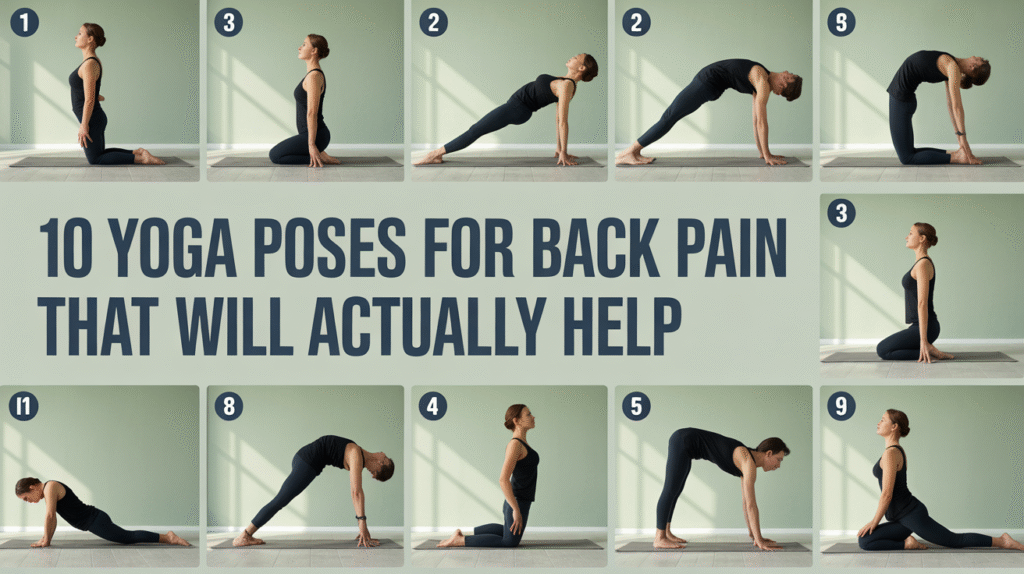
Starting with mobilization exercises creates space between vertebrae. This approach reduces injury risk while increasing flexibility. I always begin my sessions with these two fundamental movements.
1. Cat-Cow Pose: Spinal Mobilization
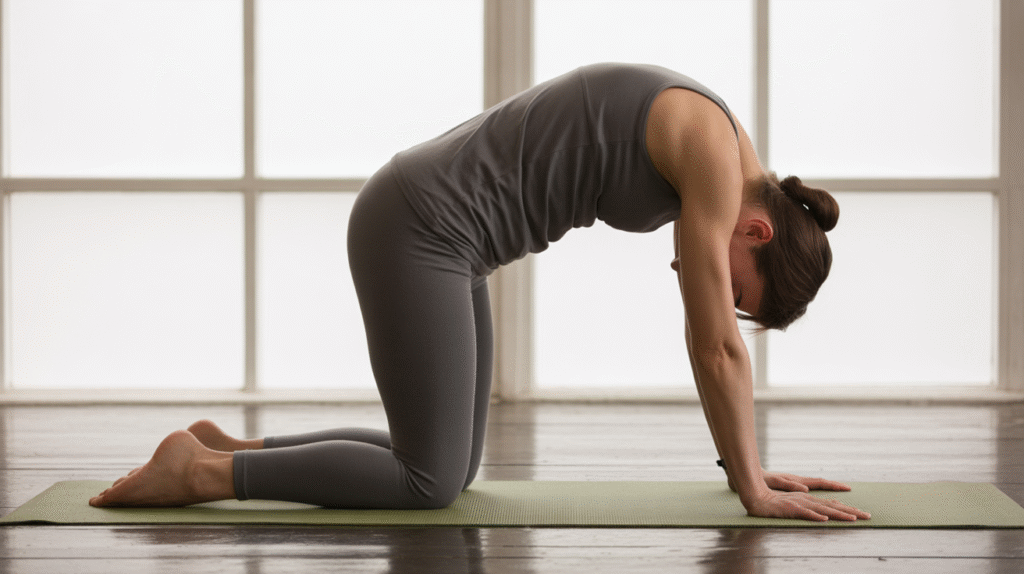
This dynamic movement became my daily ritual for spinal health. Begin on all fours with wrists under shoulders and knees under hips. Keep your palms flat on the floor for solid support.
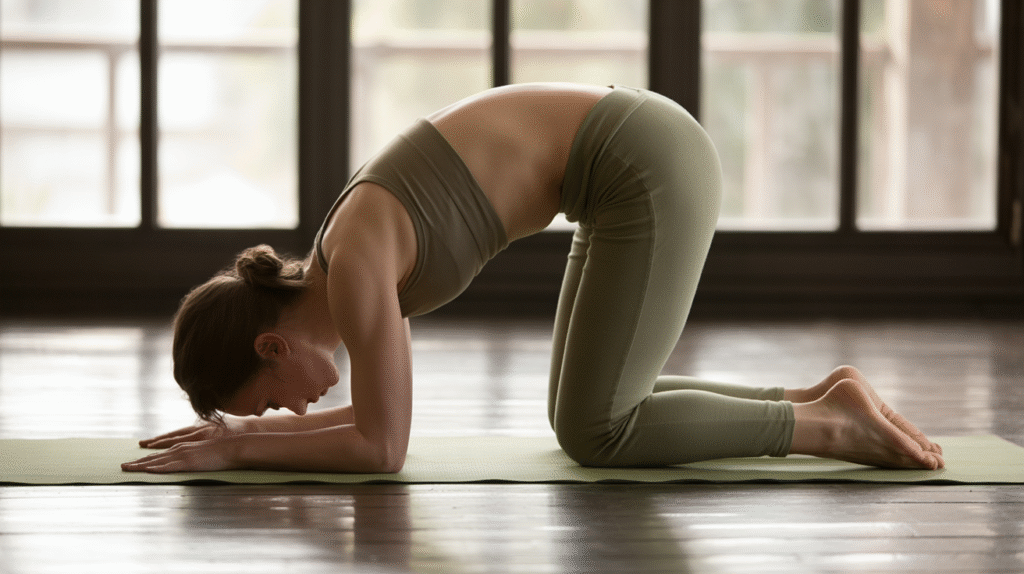
Inhale while looking up and dropping your stomach toward the floor. Exhale while tucking your chin and arching your spine upward. Move rhythmically with your breath for optimal effect.
The pose mobilizes each vertebra individually, preparing for deeper stretches. Rhythmic movement increases synovial fluid production in spinal joints. I recommend 10-15 repetitions before back-focused sessions.
This sequence works multiple muscle groups simultaneously. It engages erector spinae, rectus abdominis, and triceps. The movement also activates serratus anterior and gluteus maximus.
2. Child’s Pose: Gentle Lower Back Release
This restorative position provides immediate relief for lumbar discomfort. Sit back on your heels with knees comfortably apart. Bend forward from your hips, resting your forehead on the floor.
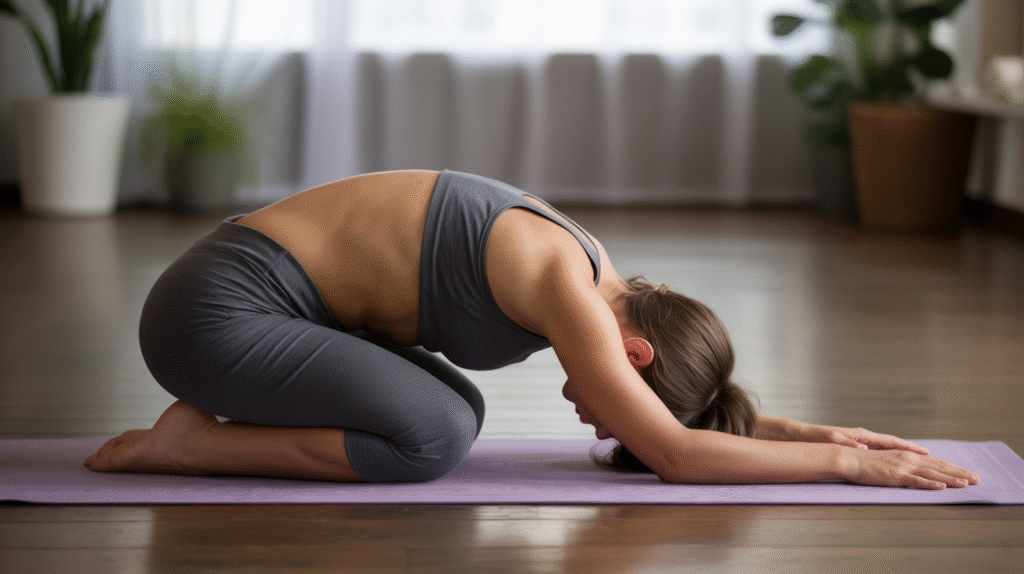
Extend your arms forward with palms down or rest them alongside your body. This creates gentle traction that relieves disc pressure. The pose calms the nervous system, reducing muscle spasms.
For those with stiffness, place a pillow between thighs and calves. This modification makes the pose accessible for all flexibility levels. Both poses increase blood flow to spinal muscles without strain.
Synchronized breathing oxygenates tissues and enhances relaxation. These warm-ups can be done multiple times daily for immediate relief. They even work well as quick desk exercises during busy days.
I include modifications for different pain intensities and flexibility levels. This ensures safety and effectiveness for every practitioner. These preparatory movements create the foundation for all subsequent practice.
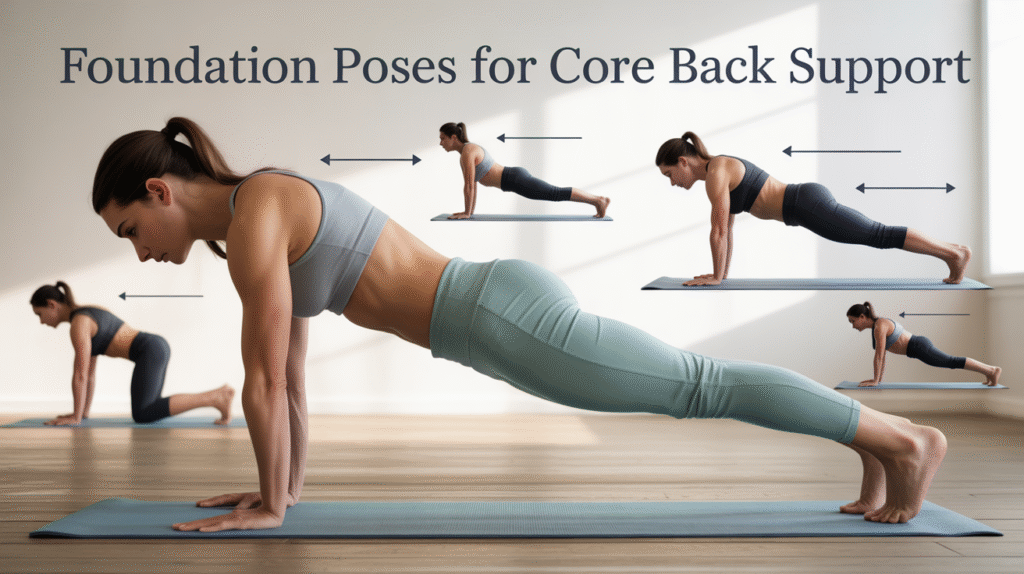
3. Foundation Poses for Core Back Support
Building a strong foundation transformed my recovery journey more than any single treatment. These movements create the structural support your body needs for lasting comfort. They work together to address multiple aspects of spinal health simultaneously.
I discovered that consistent practice of these fundamental positions yields remarkable results. They strengthen supporting muscles while improving flexibility and alignment. This combination prevents future issues while addressing current discomfort.
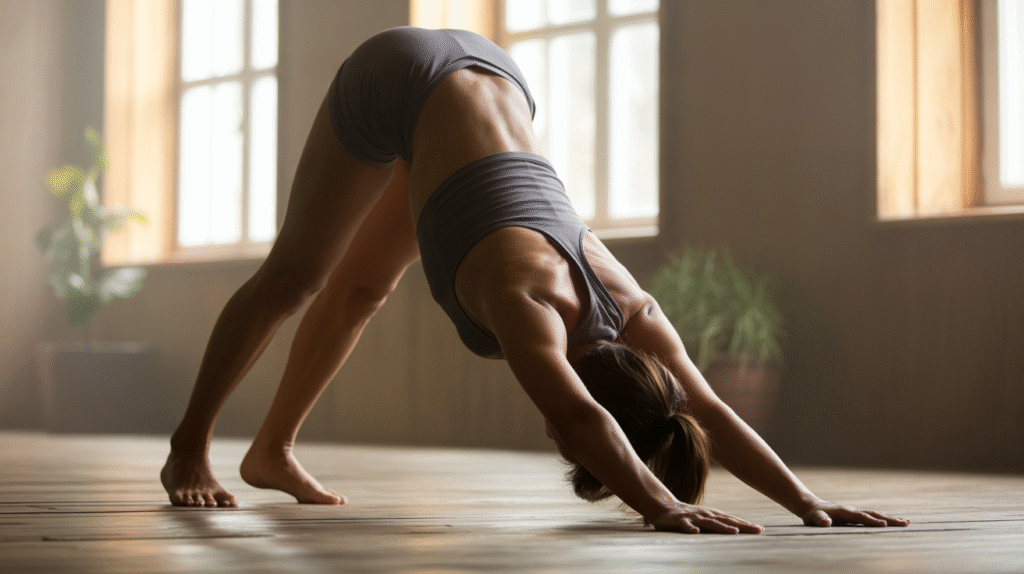
Downward-Facing Dog: Full Back Elongation
This position became my daily reset for spinal decompression. Start on all fours with your palms flat on the floor. Position your hands slightly forward from your shoulders.
Press firmly through your palms as you lift your knees upward. Bring your sitting bones toward the ceiling while keeping a slight bend in your knees. This creates gentle traction throughout your entire spinal column.
The benefits extend beyond immediate relief:
- Decompresses vertebrae and reduces nerve pressure
- Strengthens deep core muscles that support your spine
- Improves circulation to spinal discs for better nutrient delivery
For those with tight hamstrings, maintain bent knees throughout the movement. This prevents pulling on the lower back and makes the pose accessible. Focus on lengthening your spine rather than straightening your legs.
4. Cobra Pose: Strengthening the Spine
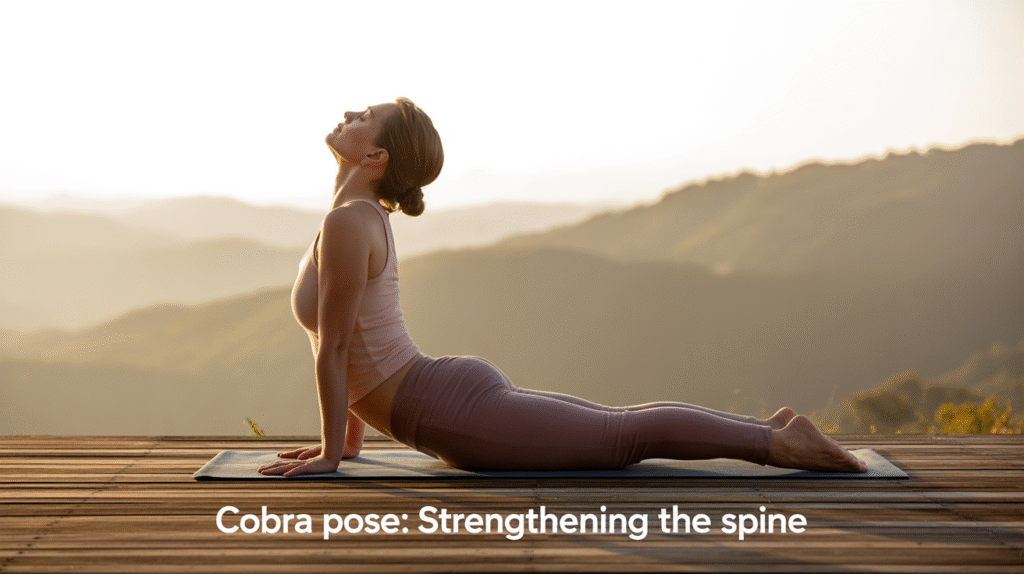
This backbend builds essential strength along your vertebral column. Lie on your stomach with your palms placed beneath your shoulders. Keep your elbows close to your body as you prepare to lift.
Press into your hands to lift your head, chest, and shoulders off the floor. Keep your hips and legs engaged throughout the movement. This builds erector spinae strength gradually and safely.
Important safety notes:
- Never allow pinching sensations in your lower back
- Lift only as high as comfortable without strain
- Engage your core muscles to support your spine
This movement soothes sciatic discomfort while improving spinal alignment. Regular practice helps maintain proper posture during daily activities. It counteracts the forward flexion we maintain during sitting.
5. Sphinx Pose: Gentle Backbend for Beginners
I recommend starting with this modified backbend before attempting full Cobra. Lie on your stomach with your elbows positioned directly under your shoulders. Rest your forearms and palms flat on the floor.
Gently lift your upper torso and head while keeping your hips grounded. This strengthens your spine and buttocks while stretching your chest and shoulders. It provides a safe introduction to backbending movements.

Key benefits include:
-
- Builds spinal strength without excessive compression
- Stretches abdominal muscles and improves flexibility
- Prepares your body for more advanced backbends safely
These foundation poses address structural causes rather than masking symptoms. They improve posture by counteracting modern lifestyle imbalances. Consistent practice can reduce reliance on pain medications over time.
Remember to breathe deeply throughout each position. Proper oxygenation enhances muscle function and relaxation. This mindful approach transforms simple movements into healing practices.
6. Standing Poses for Structural Alignment
Vertical movements transformed my understanding of spinal support. These positions use gravity to create natural traction through your entire body. They build functional strength that translates directly to daily activities.
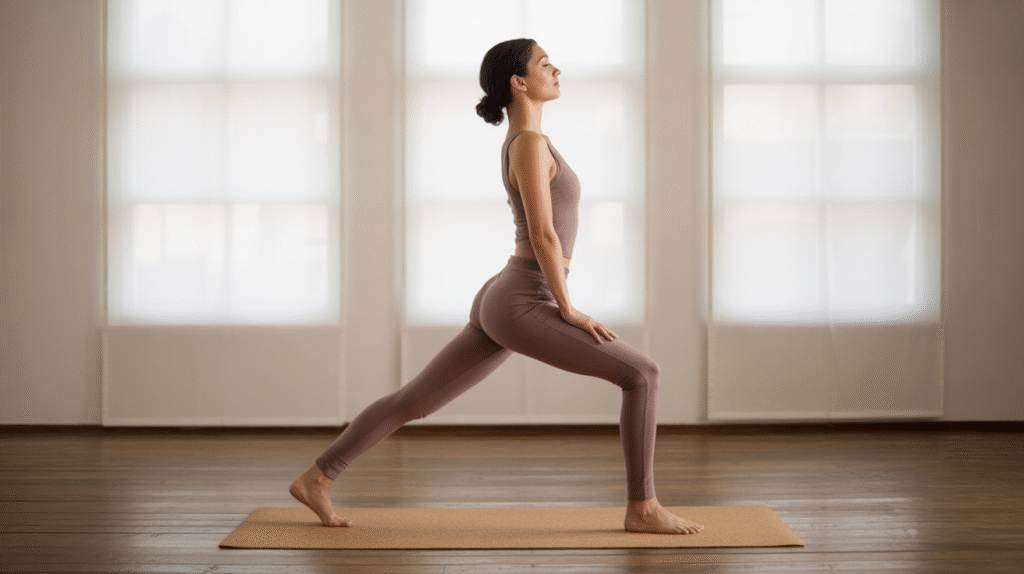
I found that upright postures improve balance and body awareness significantly. They help redistribute weight properly through your feet and legs. This alignment creates better posture during walking and standing.
7. Extended Triangle Pose: Lateral Spine Stretch
This position addresses side body muscles often neglected in daily movement. Stand with your feet about four feet apart on the floor. Turn your right toes forward and left toes out to the side.
Tilt forward at your right hip, bringing your right hand to your leg. You can use a block or reach for the floor if accessible. Extend your left arm upward toward the ceiling.
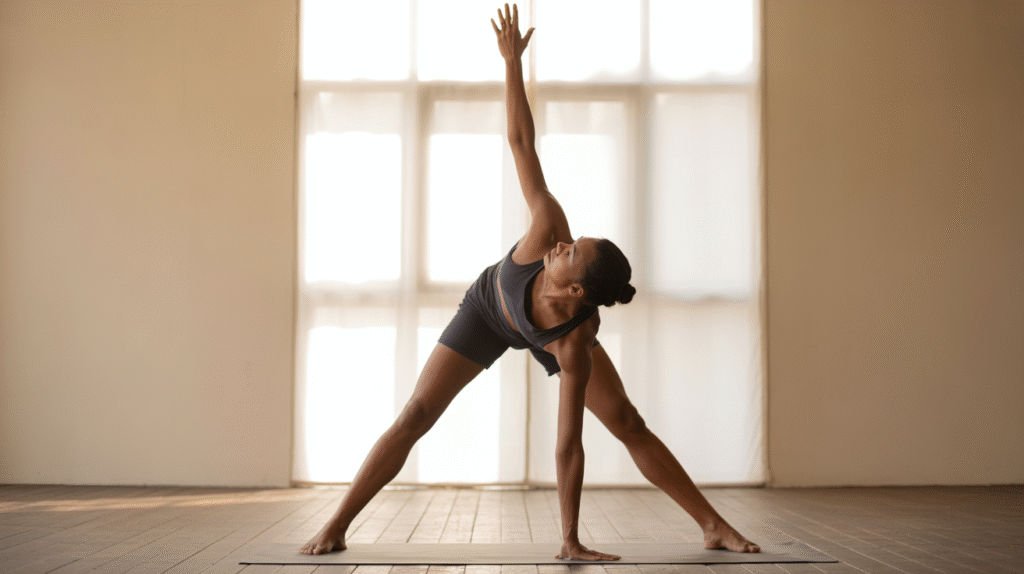
Key benefits I’ve experienced:
- Creates lateral flexion that stretches muscles supporting spinal stability
- Strengthens quadratus lumborum, preventing lower back strain
- Improves balance and reduces fall risk that can cause back injuries
Alignment tips for safety:
- Keep both legs straight with knees engaged
- Maintain length through your spine rather than compromising form
- Use wall support if balance feels compromised
8. Standing Forward Bend: Hamstring and Back Release
This forward fold releases tension throughout your entire posterior chain. Stand with feet hip-distance apart on your mat. Inhale and raise your arms overhead with palms facing front.
Exhale and bend forward from your waist, not your hips. Let your head hang heavy and relax your neck muscles. Your hands can rest on the floor, blocks, or your legs.
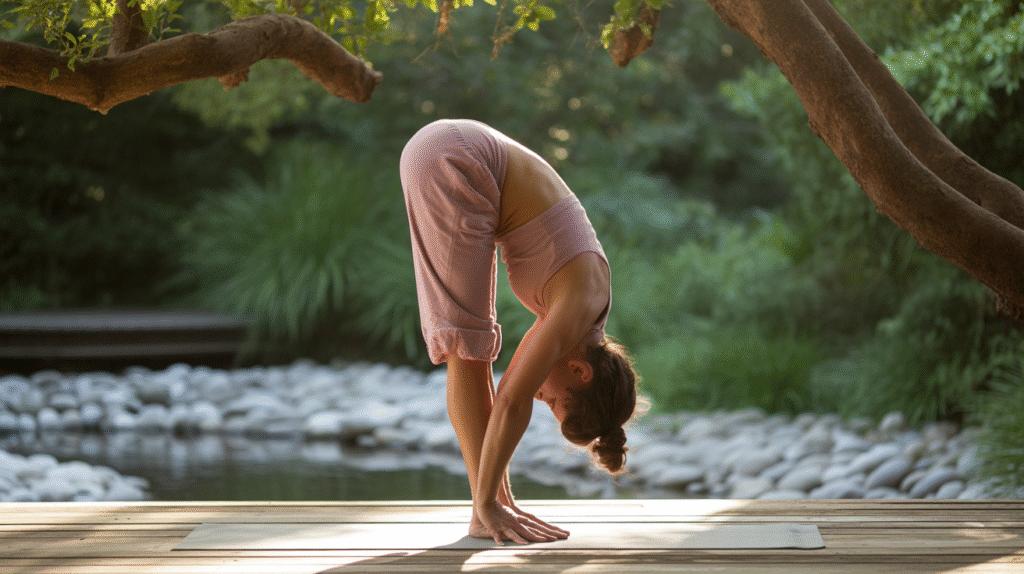
Important modifications I teach:
- Bend your knees slightly if hamstrings feel tight
- Use a chair for support if balance is challenging
- Focus on lengthening your spine rather than reaching the floor
This practice can be done anywhere without special equipment. Office workers find quick relief during breaks. Regular practice improves functional movement patterns dramatically.
The true magic happens when we align our structure with gravity’s natural pull.
Both positions address muscular imbalances that contribute to discomfort. They create space in joints while building supportive strength. Consistent practice brings lasting relief and improved mobility.
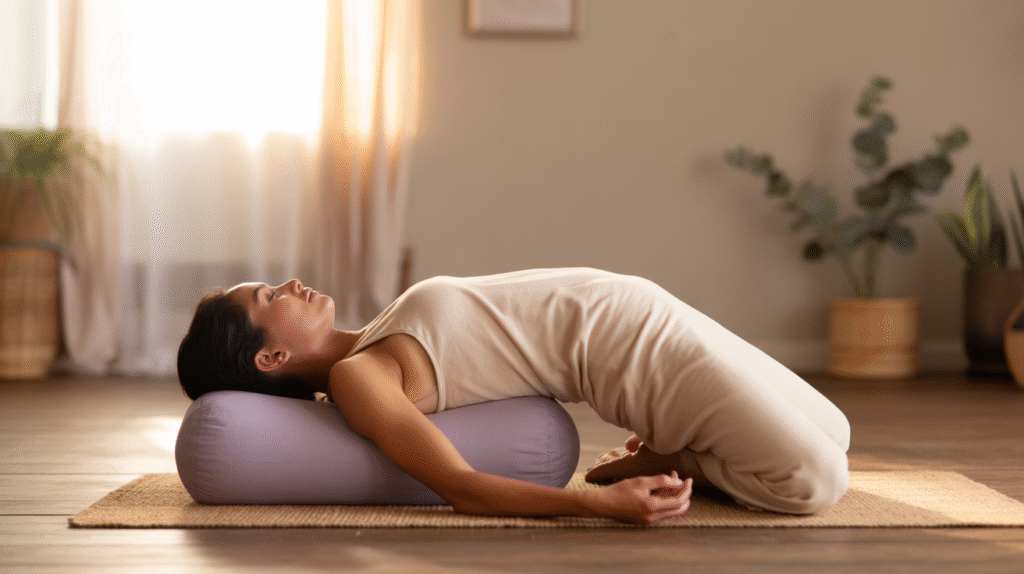
9. Restorative Poses for Deep Relief
After years of trial and error, I discovered that true healing often comes through stillness rather than constant movement. Restorative positions offer profound benefits that active postures sometimes miss. These gentle movements create space for deep tissue release and nervous system calming.
I’ve found that holding these positions for extended periods yields remarkable results. They allow connective tissues to gradually release stored tension. This approach addresses both physical and emotional aspects of discomfort.
10.Bridge Pose: Spinal Decompression
This gentle backbend became my go-to for evening practice. Lie on your back with knees bent and feet flat on the floor. Position your heels close to your sitting bones for optimal support.
Press firmly through your feet and lift your tailbone upward. Continue raising until your thighs become parallel to the floor. Keep your arms alongside your body with palms facing down.
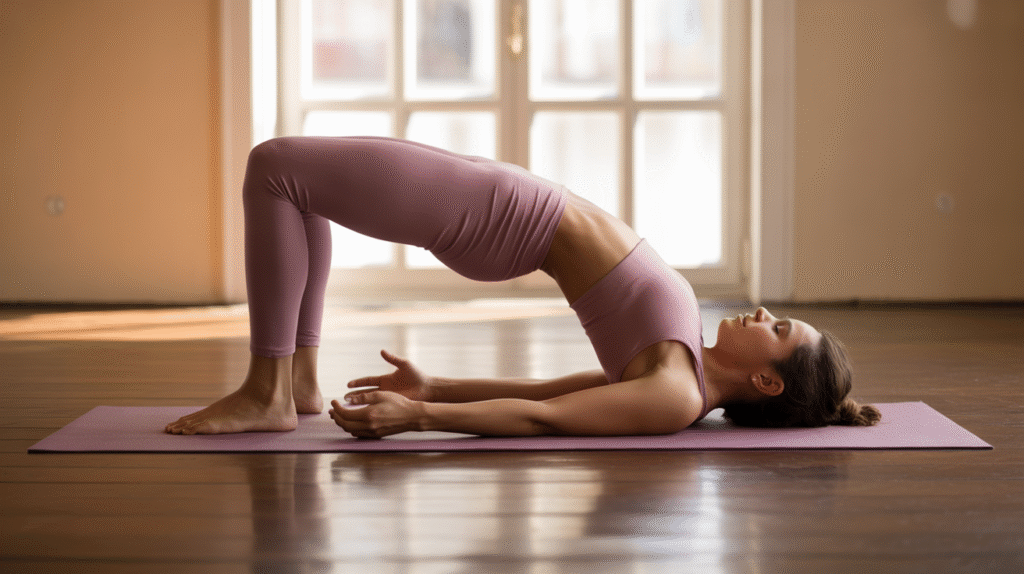
Key therapeutic benefits:
- Counters forward flexion from sitting and computer work
- Strengthens gluteal muscles that stabilize the sacrum
- Relieves tension headaches through improved circulation
Hold for 30 seconds to 2 minutes while breathing deeply. This position works multiple muscle groups simultaneously. It engages rectus abdominis, gluteus muscles, and erector spinae.
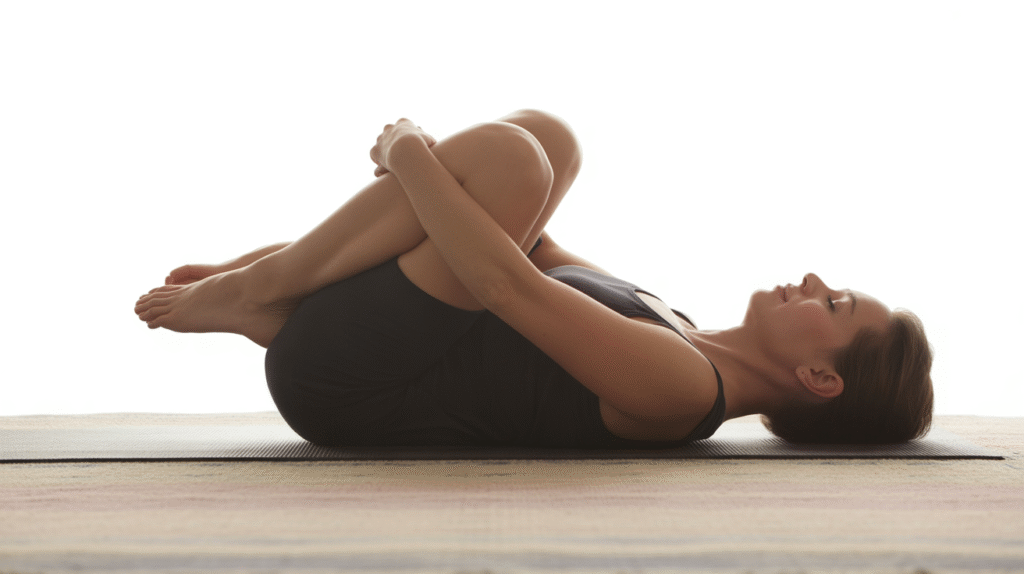
11.Two-Knee Spinal Twist: Rotational Mobility
This twisting motion addresses rotational stiffness that plagues many people. Lie on your back and bring both knees toward your chest. Extend your arms out to the sides with palms facing up.
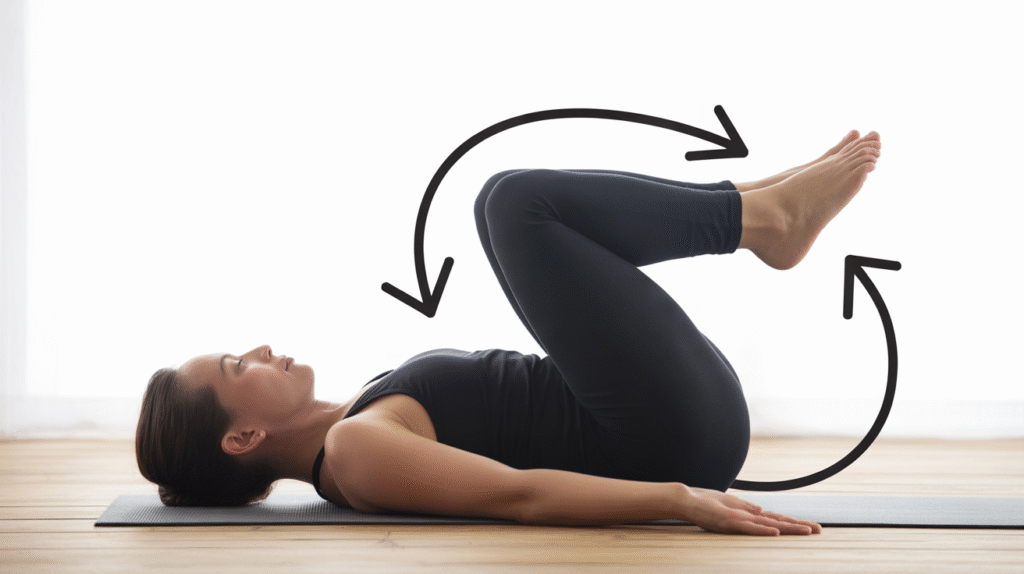
Slowly lower both knees to one side while keeping shoulders grounded. Use a pillow under your knees if needed for comfort. Turn your head in the opposite direction for complete spinal rotation.
Essential benefits include:
- Improves mobility for functional movements like driving
- Stretches deep spinal muscles difficult to reach otherwise
- Stimulates digestion often compromised by medication use
Hold for 2-5 minutes per side to allow deep release. This pose works erector spinae, rectus abdominis, and trapezius muscles. Regular practice can significantly improve sleep quality.
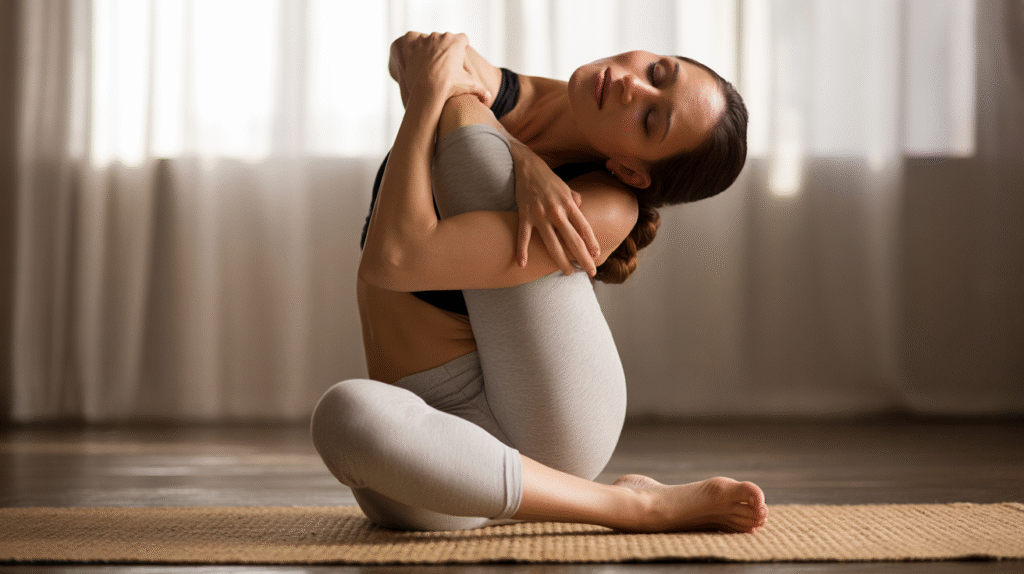
12. Half Lord of the Fishes: Deep Twist
This seated twist offers profound benefits for overall spinal health. Sit with your right foot close to your left hip. Cross your left foot over your right knee onto the floor.
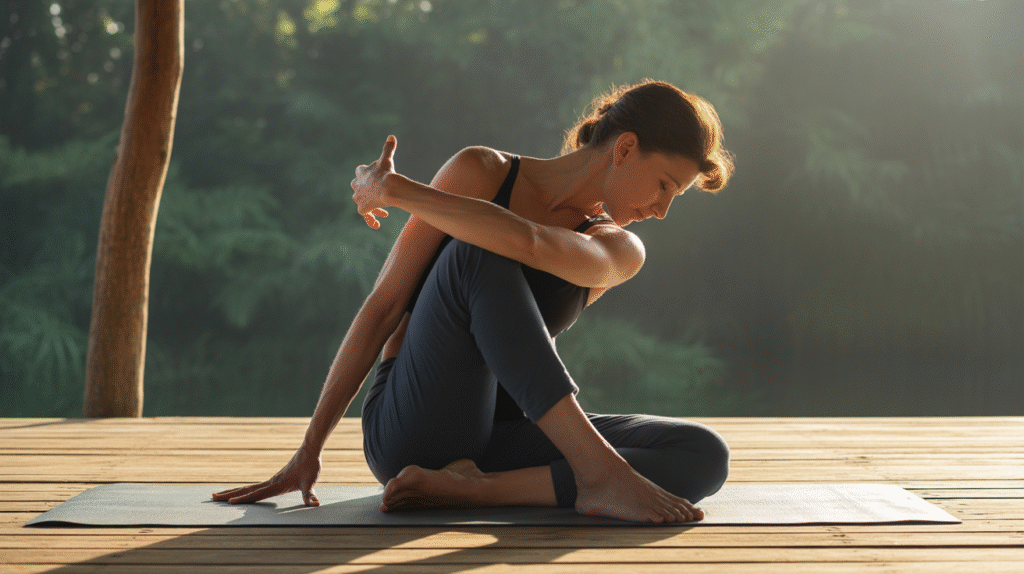
Lengthen your spine and twist toward your left side. Use your right arm against your left knee for gentle leverage. Keep your chest open and shoulders relaxed throughout.
Notable advantages:
- Energizes the entire spinal column through deep rotation
- Stretches hips, shoulders, and neck simultaneously
- Works rhomboids and serratus anterior for better posture
Hold for 30-60 seconds while breathing deeply. This position activates the parasympathetic nervous system. It reduces pain perception and muscle guarding effectively.
13. Locust Pose: Back Strengthening
This gentle back strengthener builds resilience without compression. Lie on your stomach with arms alongside your torso. Keep your palms facing upward and legs extended straight.

Slowly lift your head, chest, and arms off the floor. Engage your glutes and keep your gaze downward. Maintain length through your neck and avoid crunching.
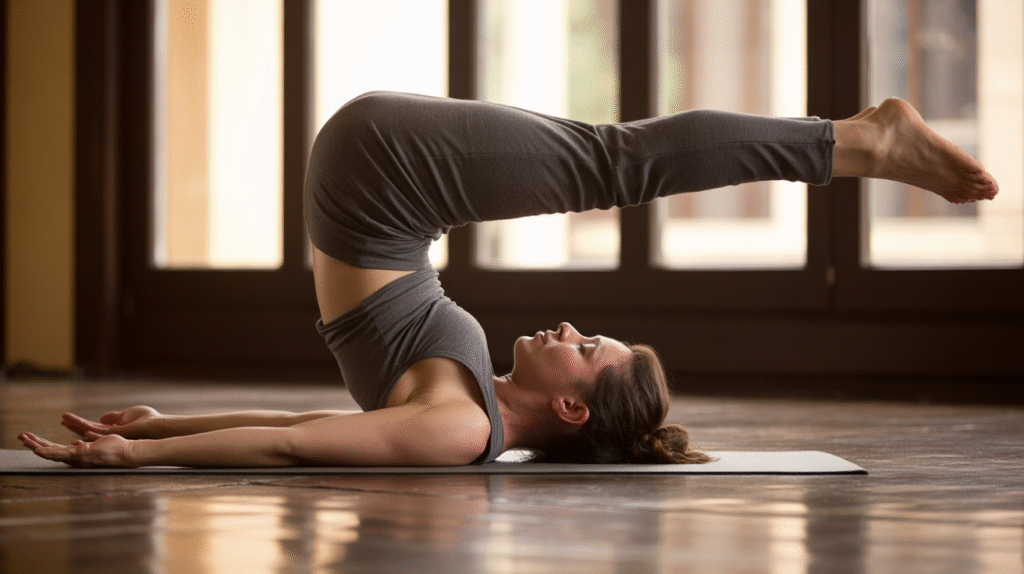
Significant benefits:
- Builds back extensor strength safely without weights
- Strengthens entire posterior chain including arms and legs
- Relieves lower back discomfort through gentle strengthening
Hold for 15-30 seconds while breathing normally. This pose works trapezius, erector spinae, and gluteus maximus. It provides crucial support for daily activities.
The deepest healing often happens when we allow our bodies to simply be rather than constantly do.
I recommend using props like bolsters and blankets for these positions. They make each pose accessible regardless of flexibility levels. Consistent practice brings lasting relief and improved mobility.
Safety First: Practicing Yoga with Back Pain
Safety always comes first when exploring movement practices for spinal discomfort. I learned this through both training and personal experience with chronic issues. This approach ensures sustainable progress without setbacks.
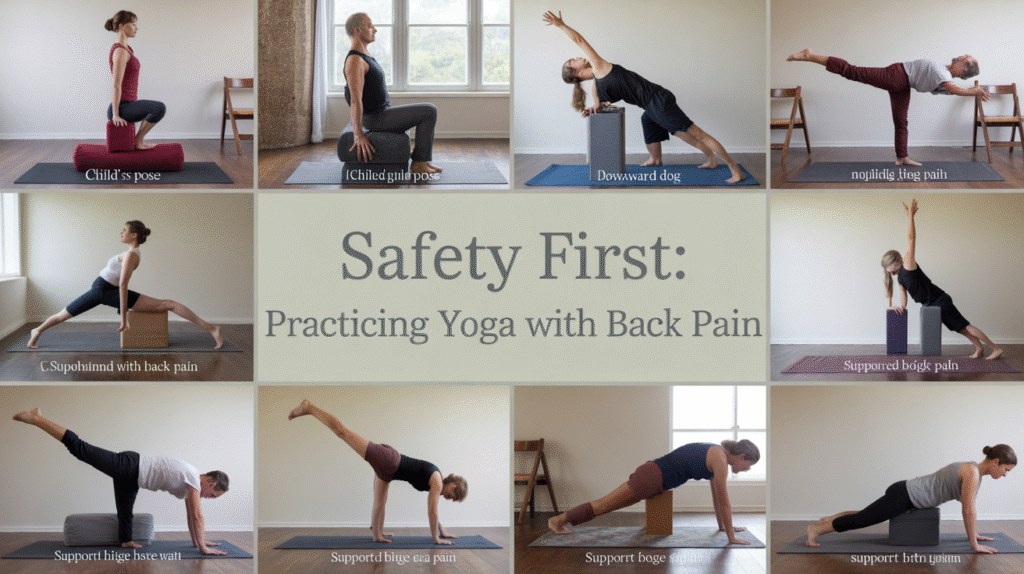
Every body responds differently to various positions and movements. What brings relief to one person might aggravate another’s condition. Listening to your body’s signals becomes your most important skill.
When to Consult Your Doctor
I always recommend medical consultation before starting any new movement practice. This becomes especially important with specific spinal conditions. Your healthcare provider understands your unique situation best.
Certain symptoms require immediate professional attention rather than self-management. Radiating discomfort or neurological changes signal the need for expert evaluation. These red flags indicate potential serious underlying issues.
Medical professionals can recommend specific modifications or alternative approaches. They might suggest avoiding certain types of movements temporarily. This guidance helps create a safe personalized practice plan.
Modifications for Different Pain Levels
I teach students to distinguish between beneficial stretching and harmful sensations. A gentle pulling feeling often indicates positive adaptation. Sharp or shooting feelings suggest needed modification.
During acute flare-ups, restorative positions provide the safest approach. Active strengthening should wait until inflammation decreases. This prevents further irritation to sensitive tissues.
Progressive overload principles apply beautifully to therapeutic movement. Gradually increasing intensity builds strength safely over time. This method prevents reinjury while promoting healing.
I recommend maintaining a practice journal to track responses. Note which movements help versus those that aggravate your condition. This documentation reveals patterns for optimal practice planning.
Essential Props for Supportive Practice
Simple tools make therapeutic movement accessible to everyone. Blocks bring the floor closer when flexibility feels limited. Bolsters provide comfortable support during restorative positions.
Straps help maintain proper alignment when reaching feels challenging. They allow gradual progression without compromising form. These tools empower practitioners to work within safe ranges.
Remember that rest days prove equally important as practice days. Recovery time allows tissues to adapt and strengthen properly. This balanced approach yields the most sustainable results.
Breathing techniques significantly influence discomfort perception. Specific patterns can modulate nervous system responses effectively. I incorporate these methods throughout all therapeutic practices.
Complementary Products for Enhanced Relief
Over time, I discovered that certain tools can significantly improve your experience. The right equipment makes movements more comfortable and effective. These items help create a supportive environment for healing.

Top-Rated Yoga Mats for Back Support
Your foundation matters when working with spinal discomfort. I always recommend thicker mats for extra cushioning. They provide crucial protection for sensitive areas.
The Manduka PRO stands out with its lifetime guarantee. Its 6mm thickness offers exceptional comfort on hard floors. The closed-cell surface prevents moisture absorption and bacteria growth.
Key features to consider:
- Minimum 5mm thickness for proper joint protection
- Non-slip surface for stability during movements
- Eco-friendly materials that don’t off-gas chemicals
- Adequate length and width for comfortable positioning
| Mat Model | Thickness | Material | Grip Rating | Price Point |
|---|---|---|---|---|
| Manduka PRO | 6mm | PVC-free | Excellent | Premium |
| Jade Harmony | 5mm | Natural rubber | Very Good | Mid-range |
| Gaiam Premium | 5mm | TPE | Good | Budget |
Pain Relief Balms and Gels
Topical solutions can provide targeted comfort without systemic effects. I’ve found them particularly helpful before practice sessions. They increase blood flow to affected areas.
Iodex offers effective relief through deep penetration. Its formulation targets discomfort at the source. Many users report reduced stiffness and improved mobility.
Application tips:
- Apply 20 minutes before beginning your movement routine
- Focus on areas of tension rather than widespread application
- Combine with gentle massage for enhanced absorption
- Choose fragrance-free options if sensitive to scents
Supportive Yoga Props and Equipment
Props make therapeutic movements accessible to all ability levels. They allow for proper alignment without strain. I consider them essential for a complete practice.
High-density foam blocks maintain their shape under pressure. They provide stable support for modified positions. Look for blocks that don’t compress during use.
Yoga wheels offer excellent spinal massage benefits. They assist with gentle backbends and stretches. I incorporate them into my weekly routine for maintenance.
Bolsters come in various firmness levels for different needs. Firmer versions provide structural support during restorative holds. Softer options offer pure comfort for relaxation.
Additional helpful items:
- Heating pads for pre-practice warm-up
- Ice packs for post-session inflammation reduction
- Acupressure mats for muscle tension release
- Straps for maintaining alignment in challenging positions
These tools represent smart investments in your wellbeing. They can reduce medical costs through consistent prevention. Quality products last years and support your journey effectively.
What Research Says About Yoga for Back Pain
Many people wonder if movement practices truly help with spinal discomfort. I explored scientific evidence to understand how these methods work. Research confirms what I experienced personally through consistent practice.
Studies show promising results for various types of spinal issues. The combination of movement and mindfulness creates multiple benefits. This approach addresses both physical and mental aspects of discomfort.

Clinical Studies and Evidence
A 2017 study compared movement practice to physical therapy. Both groups showed similar improvement over one year. Participants reduced their medication use after just three months.
Another 2017 research found small to moderate pain decreases. Function improved both short-term and long-term. These findings give hope to those seeking alternative approaches.
Multiple trials demonstrate significant disability score reduction. Improvements range from 30-50% compared to usual care. The practice proves as effective as physical therapy with better adherence.
| Study Focus | Participant Count | Duration | Key Findings | Limitations |
|---|---|---|---|---|
| Chronic Pain Comparison | 320 adults | 12 months | Similar improvement to physical therapy | Self-reported measures |
| Pain Intensity | 150 participants | 6 months | Moderate pain reduction | Small sample size |
| Long-term Effects | 200 individuals | 24 months | Benefits persist after program completion | Dropout rate 15% |
Long-Term Benefits Beyond Pain Relief
The advantages extend far beyond simple discomfort reduction. Regular practice improves sleep quality and mood significantly. Overall life quality measures show marked improvement.
MRI studies reveal interesting structural changes. Disc hydration improves with consistent movement. Degenerative changes appear reduced over time.
Long-term practitioners develop better body awareness. This proprioception improvement reduces fall risk. Related injuries decrease as balance improves.
Science now confirms what ancient practitioners understood intuitively about movement and healing.
Economic analyses demonstrate cost-effectiveness compared to conventional treatments. The need for spinal surgery may reduce through conservative management. Brain imaging shows changes in pain perception structures.
These findings encourage me to continue my personal practice. The research supports what I’ve experienced in my own body. Time and consistency bring the most significant results.
Conclusion: Your Path to a Pain-Free Back
Your journey toward lasting comfort begins with small, consistent steps. These movements work together to build strength and flexibility. They address different aspects of spinal health in a comprehensive way.
Create a personalized routine based on your specific needs. Start with just ten minutes daily and gradually increase. Even brief sessions bring meaningful benefits over time.
Remember that progress matters more than perfection. Some days will feel easier than others. Stay committed through fluctuations in your discomfort levels.
Integrate these principles into daily life beyond formal practice. Mindful movement becomes second nature with consistent effort. The reward of living without constant ache makes every moment worthwhile.
This approach offers genuine relief when practiced regularly. Your body will thank you for the investment in its wellbeing.